
Wood Fence Installation in Chico, CA
Redwood and cedar privacy fences, built straight, set deep and made for valley weather.
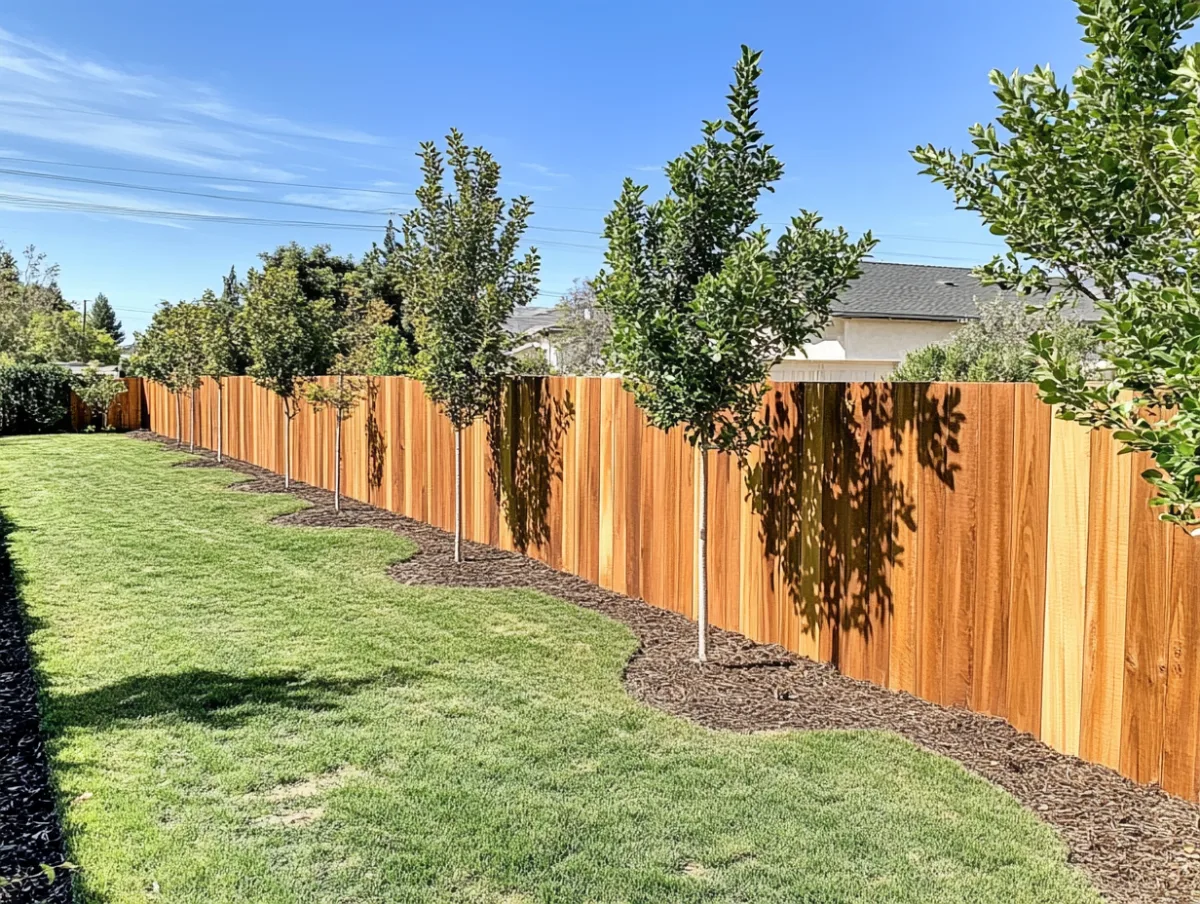
A new wood fence changes how a yard feels. Suddenly the back patio is private, the dog can run, and the side yard stops being the shortcut for half the block. In Chico, wood is still the first choice for most backyards, and for good reason: it looks right with older bungalows near downtown and with newer stucco homes alike, and it's simple to repair later. But a wood fence lives or dies on how it's built. Posts set too shallow, the wrong lumber in the ground, or boards nailed tight against the dirt can cut its life in half. Up in Paradise, where so many families have rebuilt since 2018, we also plan the fence around fire safety, which changes how it should meet the house.
Below we cover which woods work best here, the fence styles people ask for most, exactly how an installation goes, and what keeps a wood fence looking good for years. Every fence we quote is priced in writing after we walk the line, so you know the full cost, including gates and haul-away, before anything gets built. If you'd rather never paint or stain again, take a look at vinyl fencing before you decide.
Redwood, Cedar or Pressure-Treated Pine
Redwood is the classic choice in Northern California. It's naturally resistant to rot and insects, stays straight, and weathers to a soft gray if you leave it alone. It also costs the most. Western red cedar is a close second: lighter, a little softer, and usually a bit cheaper. Pressure-treated pine is the budget option. It's strong and cheap, but it tends to shrink, twist and check as it dries in our summer heat. A setup that works well for a lot of people is pressure-treated posts rated for ground contact, holding redwood or cedar rails and boards. That puts the toughest wood in the ground and the best-looking wood in sight. Whatever you pick, we use galvanized or stainless screws and nails, because cheap fasteners rust and leave dark streaks down the boards within a year or two.
Fence Styles We Build Most
- Privacy fence: boards butted side by side, usually 6 feet tall. The most common backyard fence in Chico.
- Good neighbor fence: boards alternate sides of the rails, so both yards see a finished face. Popular on shared property lines.
- Board-on-board: two overlapping layers of boards, so there are no gaps even after the wood shrinks in summer.
- Picket fence: a short, open fence for front yards. In the city of Chico, front-yard fences are generally limited to 3 feet unless the city approves a permit, so pickets are a natural fit.
- Lattice top: a strip of lattice along the top for a softer look and a little extra height.
- Horizontal slat: boards run sideways with small even gaps. A clean, modern look that goes well with newer homes and backyard patios.
Not sure which one fits? Tell us what the fence needs to do, whether that's blocking a view, keeping a dog in or just marking the line, and we'll suggest a style and height that works for your yard and your budget.
How Your Installation Goes
- We measure the line, talk through style and gates, and give you a written price.
- Before anyone digs, the underground utilities get marked through USA North 811, the free locating service for Northern California.
- We take out and haul away the old fence if there is one.
- We set posts about a third of their length deep in concrete, with the tops shaped to shed water.
- We let the concrete set, then hang rails and boards, keeping the bottom of the boards a couple of inches off the ground so they don't wick up moisture.
- We hang gates last, adjust them so they swing freely, and clean up.
A typical backyard takes one to three days. If you live on a corner lot or in a neighborhood with an HOA, we check the height and style rules before we start.
Keeping a Wood Fence Looking Good
Chico is tough on wood. Hot, dry summers pull moisture out of the boards, and wet winters push it back in, so they swell and shrink every year. A penetrating sealer or semi-transparent stain every two to three years slows that cycle and keeps the color. Keep sprinklers aimed away from the fence, don't pile soil or bark against the boards, and trim back vines that hold moisture. For homes in wildfire country, fire-safety guidance in California recommends using noncombustible material, like a metal panel or gate, for the first five feet of fence where it connects to the house, so a burning fence can't carry fire to the walls. We build that way on request. Inside Paradise town limits it's required by town code, and in Magalia we recommend it.
Already have a fence that just needs some help? Our fence repair work might save you the cost of a new one.